Yorkshire has always been a region of big landscapes, big ideas, and big ambition — but in 2026, it’s increasingly becoming known for something else: leading the UK’s transition to green transport. From hydrogen-ready infrastructure to major EV charging expansion, and from carbon‑negative regional goals to pioneering renewable energy projects, Yorkshire is positioning itself at the forefront of the country’s low‑carbon future.
But is it fair to call Yorkshire the UK’s emerging Green Transport Capital? Looking at the evidence, the answer is increasingly leaning towards yes.
Hydrogen: Yorkshire’s Secret Weapon
If there’s one area where Yorkshire is genuinely ahead of the curve, it’s hydrogen.
The region is deeply involved in national hydrogen deployment programmes, including:
- Plans for hydrogen‑ready infrastructure across industrial corridors (see Hydrogen investment fuels South Yorkshire’s next industrial era)
- Integration with Carbon Capture, Utilisation & Storage (CCUS) projects
- Development of hydrogen hubs around the Humber and Teesside
- Early‑stage planning for hydrogen‑powered public transport
Hydrogen is particularly important for decarbonising:
- Buses
- HGVs
- Industrial transport
- Long‑distance logistics
With Yorkshire’s industrial heritage and strategic location, it’s no surprise the region is becoming a testbed for hydrogen‑based mobility.
The Mayor of South Yorkshire, Oliver Coppard, said: “Hydrogen is a fast-growing element of our energy mix, and will be essential in our ambitions to create a greener, cleaner South Yorkshire economy. The government’s support means we are one step closer to meeting that challenge.”
EV Charging Expansion: Preparing for the Future
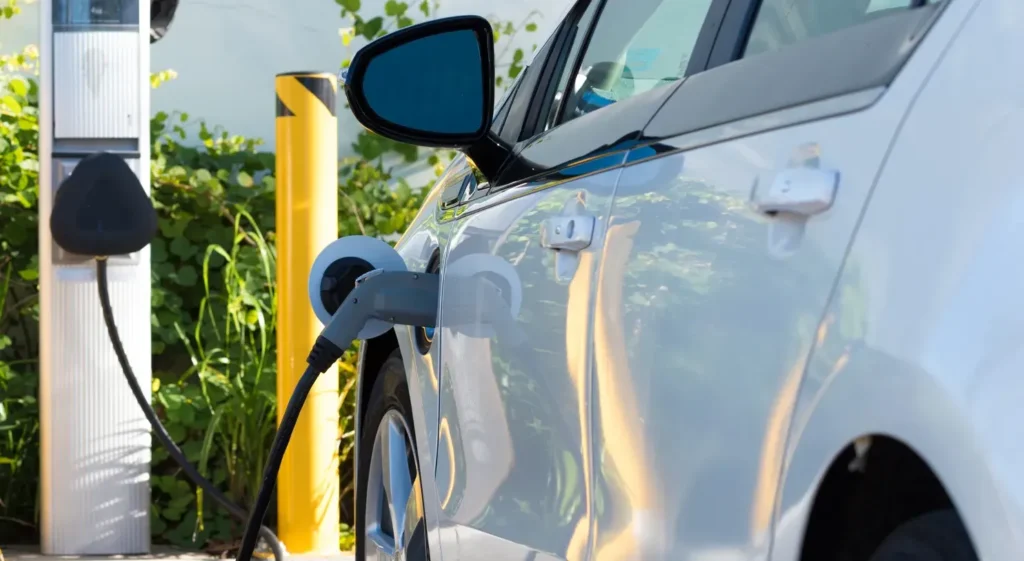
Electric vehicle adoption is rising rapidly across the UK, and Yorkshire is responding with major investment in charging infrastructure. The region’s energy strategy includes:
- Large‑scale upgrades to the electricity network
- New rapid‑charging hubs in urban centres
- Expansion of rural charging points to support tourism
- Integration of renewable energy into EV charging networks
For visitors to the Yorkshire Dales and popular towns such as Harrogate and Richmond; North York Moors, and coastal towns, this means easier, cleaner travel — and for residents, it signals a long‑term commitment to sustainable mobility.
Public Transport Decarbonisation: Buses, Trains, and Beyond
Yorkshire’s public transport network is also undergoing a green transformation.
Key developments include:
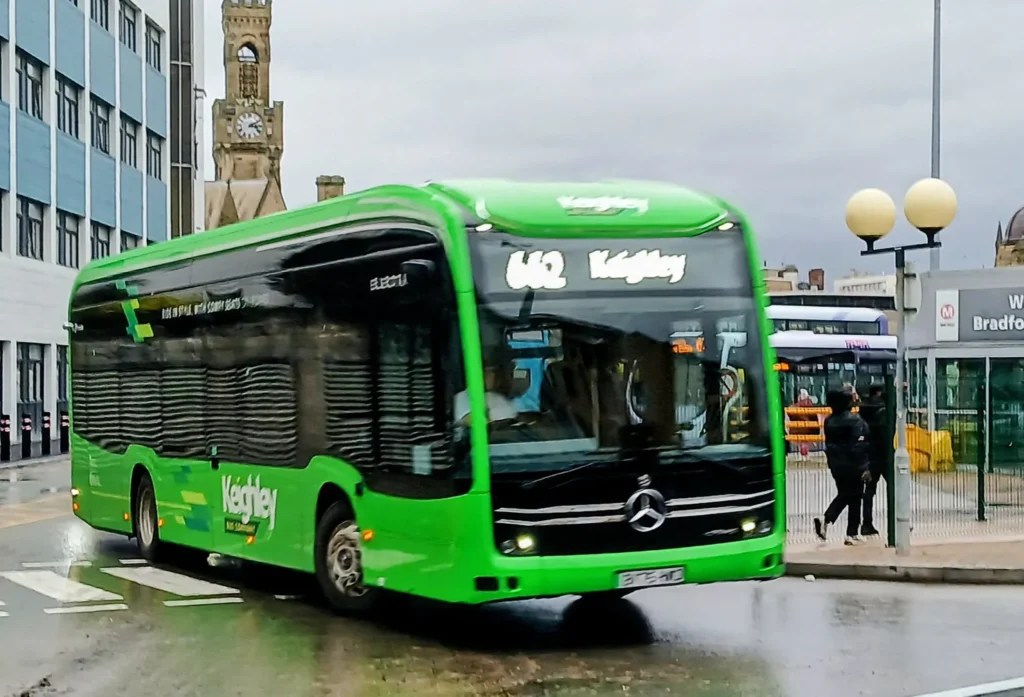
- Trials of low‑emission and hydrogen buses
- Investment in cleaner rail infrastructure
- Funding for active travel routes such as cycling and walking corridors
- Local authority commitments to reduce emissions from public fleets
These changes may not grab headlines like airport expansions or motorway upgrades, but they have a huge cumulative impact on regional emissions — and on Yorkshire’s reputation as a sustainability leader.
Major Funding Boosts: £7 Million for Green Growth
In 2026, Yorkshire secured £7 million in government funding to support green economic growth. This includes:
- 24 net‑zero projects across the region
- Investment in renewable energy
- Support for green transport innovation
- Programmes to help businesses decarbonise
This injection of funding is helping Yorkshire accelerate from ambition to action.
Yorkshire’s Geography Gives It a Unique Advantage
Yorkshire isn’t just leading because of policy — the landscape itself plays a role.
The region includes:
- Two National Parks
- Three National Landscapes
- Over 70% agricultural land
- Significant wind, solar, and hydropower potential
This combination of natural resources and open space makes Yorkshire ideal for:
- Renewable energy generation
- Natural carbon capture
- Large‑scale infrastructure projects
- Rural EV network expansion
Few UK regions have this blend of space, ambition, and capability.
Is Yorkshire the UK’s Green Transport Capital?
Yorkshire may not have the UK’s largest EV fleet or the most hydrogen buses yet, but the direction of travel is unmistakable.
The region is:
- Investing heavily in hydrogen and renewable energy
- Upgrading infrastructure to support EVs
- Decarbonising public transport
- Securing major funding for net‑zero projects
- Setting national‑leading environmental targets
Put simply, Yorkshire isn’t just participating in the UK’s green transport transition — it’s helping to lead it.
If current momentum continues, Yorkshire could very realistically become the UK’s Green Transport Capital within the next decade.
What This Means for Residents and Visitors
For people living in or visiting Yorkshire, this shift brings real benefits:
- Cleaner air in towns and cities
- More reliable and modern public transport
- Easier EV travel across rural areas
- Growth in green jobs and innovation
- A more sustainable tourism experience
Yorkshire’s green transport revolution isn’t just about infrastructure — it’s about improving quality of life.
Related Articles
EV charging in the Yorkshire Dales
Airport security changes at Leeds Bradford Airport
Conclusion
Yorkshire is undergoing a quiet but profound transformation. With bold carbon‑negative ambitions, major investment in hydrogen and EV infrastructure, and a growing reputation for sustainability, the region is positioning itself as a national leader in green mobility.
Whether you’re a commuter, a business owner, or a visitor exploring the Dales, the shift towards cleaner, greener transport is already underway — and Yorkshire is driving it forward.